


How Marble Is Formed?
Oct 21, 2022
Leave a message
In this article, we will take a look at how marble is formed. Marble is formed from limestone by undergoing intense pressure, heat and recrystallization. It contains large grains of calcite as well as impurities such as clay and iron oxide. These impurities add colour and give marble different hues. In addition to white, marble also comes in black and red shades. Green marble contains limonite minerals, which dye it green.
Marble is formed through pressure, heat, and chemical processes in exposed strata of the earth's crust. Its mineral composition is determined by the presence of impurities in the limestone. The presence of silica impurities in limestone causes the minerals to re-crystallize to form large grains of calcite. When these impurities react with carbonates, they form diopside. This process also creates bands of color in marble.
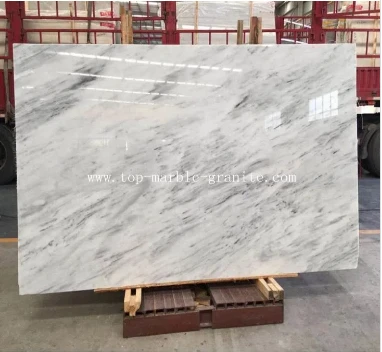
Granite and marble sites form along convergent plate boundaries. These rifts are found across the world. In the United States, they form along the western coast of America and throughout the Pacific Ring of Fire. These margins are hundreds of feet thick and cover large areas. Marble comes from several countries, including Brazil, Italy, France, and India.
Marble is difficult to split into layers. The process begins by drilling holes through the slabs. These holes are made by special machines, which use powerful drills. Then, diamond wire is used to cut the slabs into desired thicknesses and sizes. Some machines take hours to cut a single marble slab, while others cut up to ten slabs at a time. Once the slabs are cut, they are placed in wooden containers, which often contain straw to protect the marble from deterioration.
Marble is a metamorphic rock, formed through a process of heat and pressure. It is composed mainly of dolomite and limestone. In the process of metamorphism, the carbonate minerals in limestone re-crystallize, resulting in a denser, harder rock. These minerals give marble its unique colors. The most pure marble comes from Greece. If you are interested in learning more about marble, you can visit the Marble Institute website.